Address
AVSSO 2242 SE 171st AVE Portland Oregon USA 97233
Work Hours
Monday to Friday: 7AM - 7PM
Weekend: 10AM - 5PM
Address
AVSSO 2242 SE 171st AVE Portland Oregon USA 97233
Work Hours
Monday to Friday: 7AM - 7PM
Weekend: 10AM - 5PM
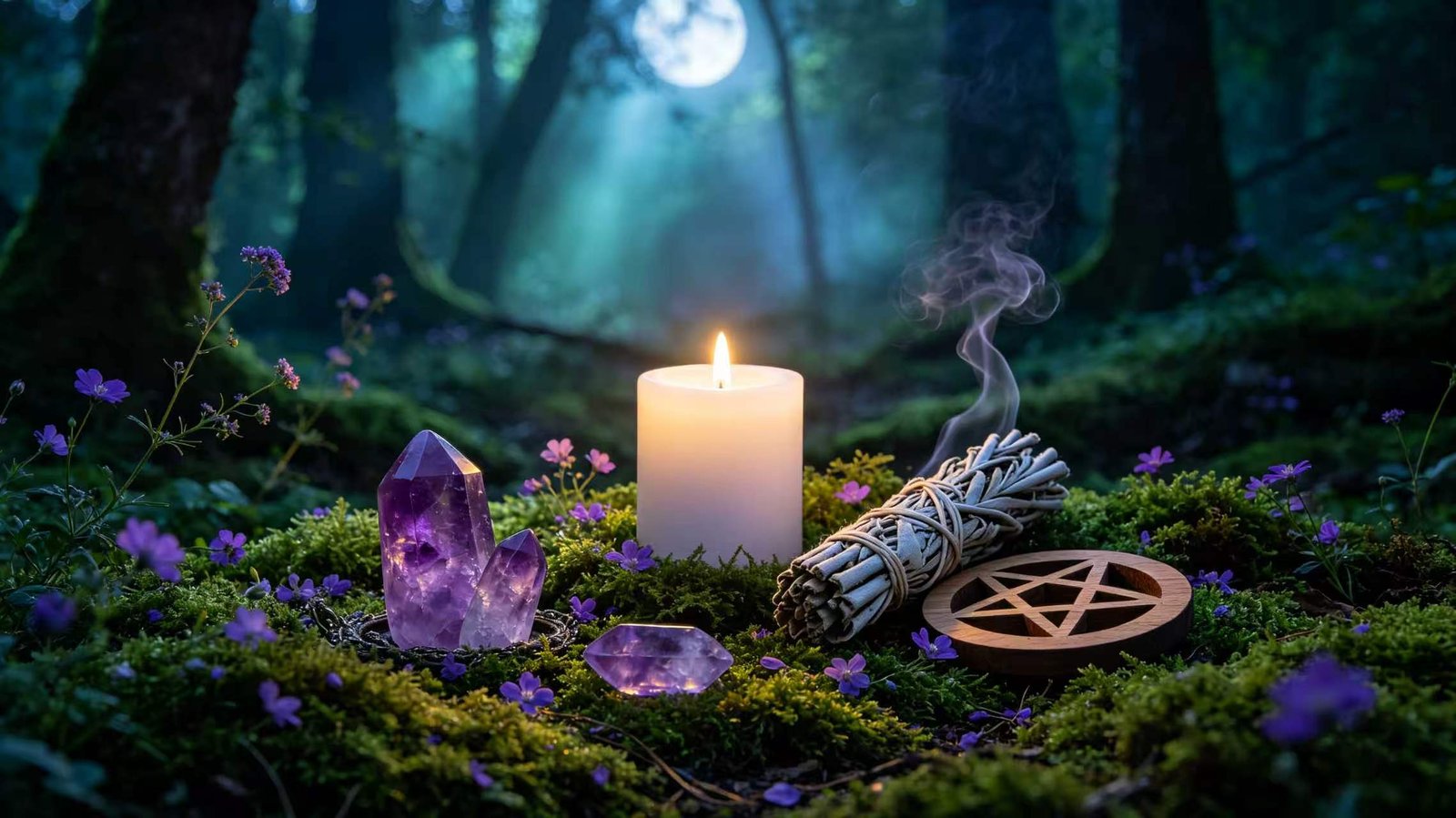
Something drew you here. Perhaps it was a quiet pull you couldn’t name—a whisper in the wind, a dream that lingered, or the slow recognition that the world is more enchanted than modern culture admits. Maybe you’ve always felt more attuned to the cycles of the moon, the language of trees, or the subtle energies beneath ordinary life. Whatever brought you, you are not alone. You are part of a growing movement turning toward the old ways, seeking meaning and connection. That’s why this Witchcraft 101 guide is designed to give you clear, actionable answers.
Witchcraft and Wicca are experiencing a remarkable resurgence in the twenty-first century. From TikTok witches sharing moon rituals to bestselling books on modern magic, interest in the Craft has never been higher.
According to recent studies, there are an estimated 1.5 million witches in the United States alone, with 800,000 identifying as Wiccan. In the UK, Pagan numbers have more than doubled in the last decade. This is not a passing trend—it is a profound spiritual reawakening, a turning back toward the sacred Earth and the wisdom of our ancestors.
But with so much information available—and so much misinformation—where do you begin? How do you separate genuine practice from gatekeeping, meaningful ritual from performative spectacle? The internet is flooded with contradictory advice. It can be overwhelming for the sincere seeker who simply wants to learn.
This Witchcraft 101 guide is your answer. It is written with deep respect for tradition, openness to personal adaptation, and a focus on what actually works for the modern seeker. Whether you are drawn to traditional Wicca, eclectic witchcraft, or folk magic, this guide will give you the foundation you need to begin with confidence.
Throughout this Witchcraft 101 guide, you will find opportunities to deepen your understanding through our related articles on the Wheel of the Year, Elder Futhark runes, applying runes to modern practice, and the symbolism of wolf pendants.
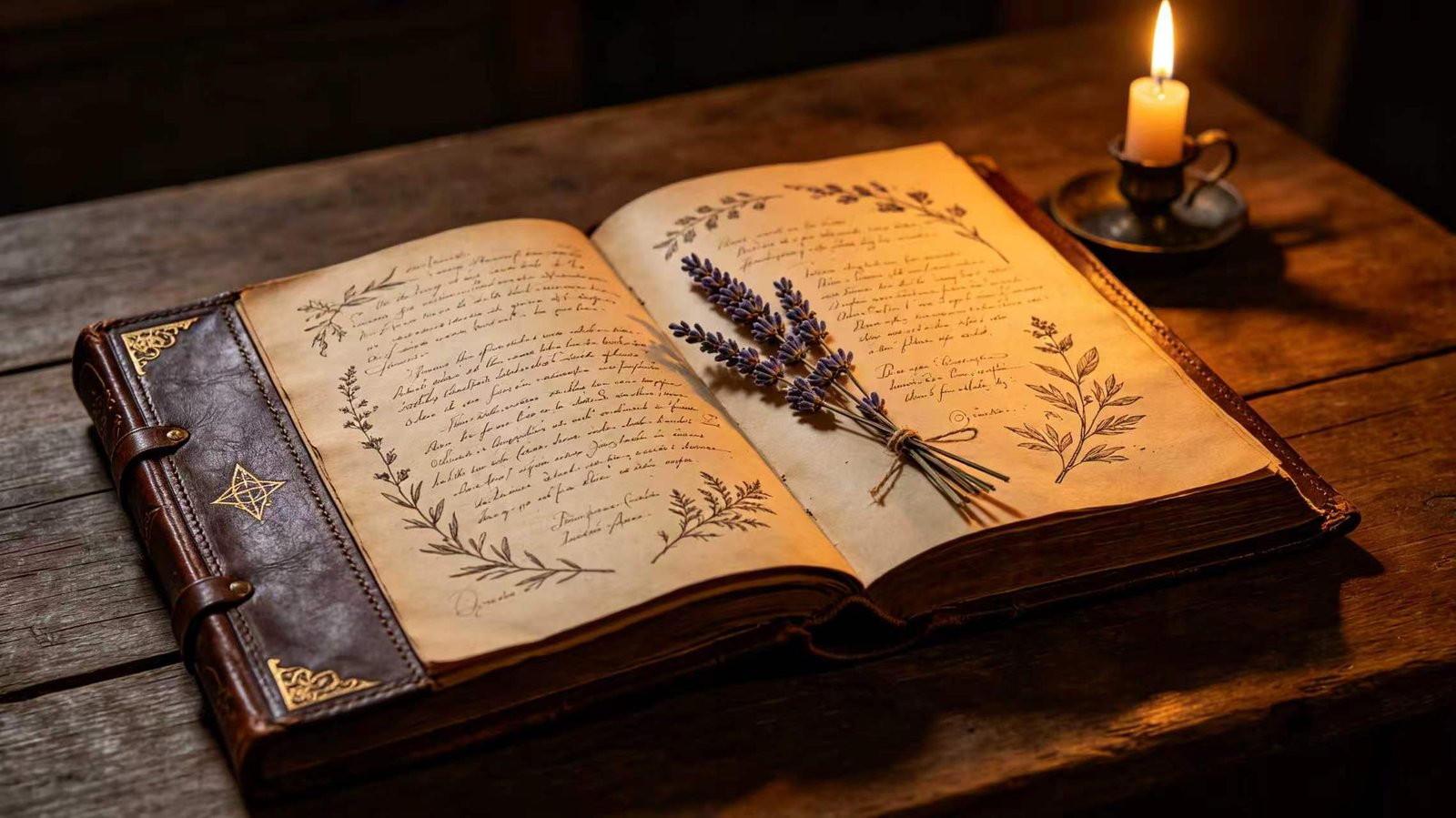
Before we dive into the tools and practices of Witchcraft 101, we need to answer a foundational question: What exactly is witchcraft?
Here is the single most important distinction in Witchcraft 101: witchcraft is a practice, while Wicca is a religion. You can practice witchcraft without being Wiccan. You can be Wiccan and never cast a spell. You can be Christian, Jewish, Muslim, atheist, or agnostic and still practice magic.
In Witchcraft 101, we define the craft as the practice of working with energy, intention, and the natural world to create change. It is about focusing your will, connecting with forces larger than yourself, and manifesting transformation in your life and the lives of others. This practice has existed in virtually every human culture across every time period.
To understand contemporary witchcraft, it is essential to understand modern Wicca. Any Witchcraft 101 guide must cover its roots. Modern Wicca began in the United Kingdom in the 1940s, drawing on pre-Christian European traditions and occultism.
Its primary founder is generally considered to be Gerald Gardner, a British civil servant and amateur anthropologist. After spending time in Asia studying indigenous practices, Gardner returned to England and encountered a coven in the New Forest region. He claimed it preserved an unbroken lineage of witch traditions dating back centuries. You can read more about Gerald Gardner’s biography on Britannica.
Synthesizing folk traditions with ceremonial magic and Eastern philosophy, Gardner developed what he called “Wica”—a structured, initiatory religion honoring the Goddess and the God. He published High Magic’s Aid (1949) and Witchcraft Today (1954), bringing Wicca into the public eye.
Aleister Crowley also shaped early Wicca. But perhaps the most important figure is Doreen Valiente, who rewrote and refined much of Gardner’s material. Valiente gave Wicca its poetic beauty, accessible structure, and emphasis on personal experience. Learn more about Doreen Valiente on Wikipedia.
Modern Wicca and witchcraft are anything but monolithic. In your Witchcraft 101 journey, you will encounter many streams:
As one practitioner noted, “The gorgeousness of a modern magic tradition is that we get to curate it to suit us exactly.”
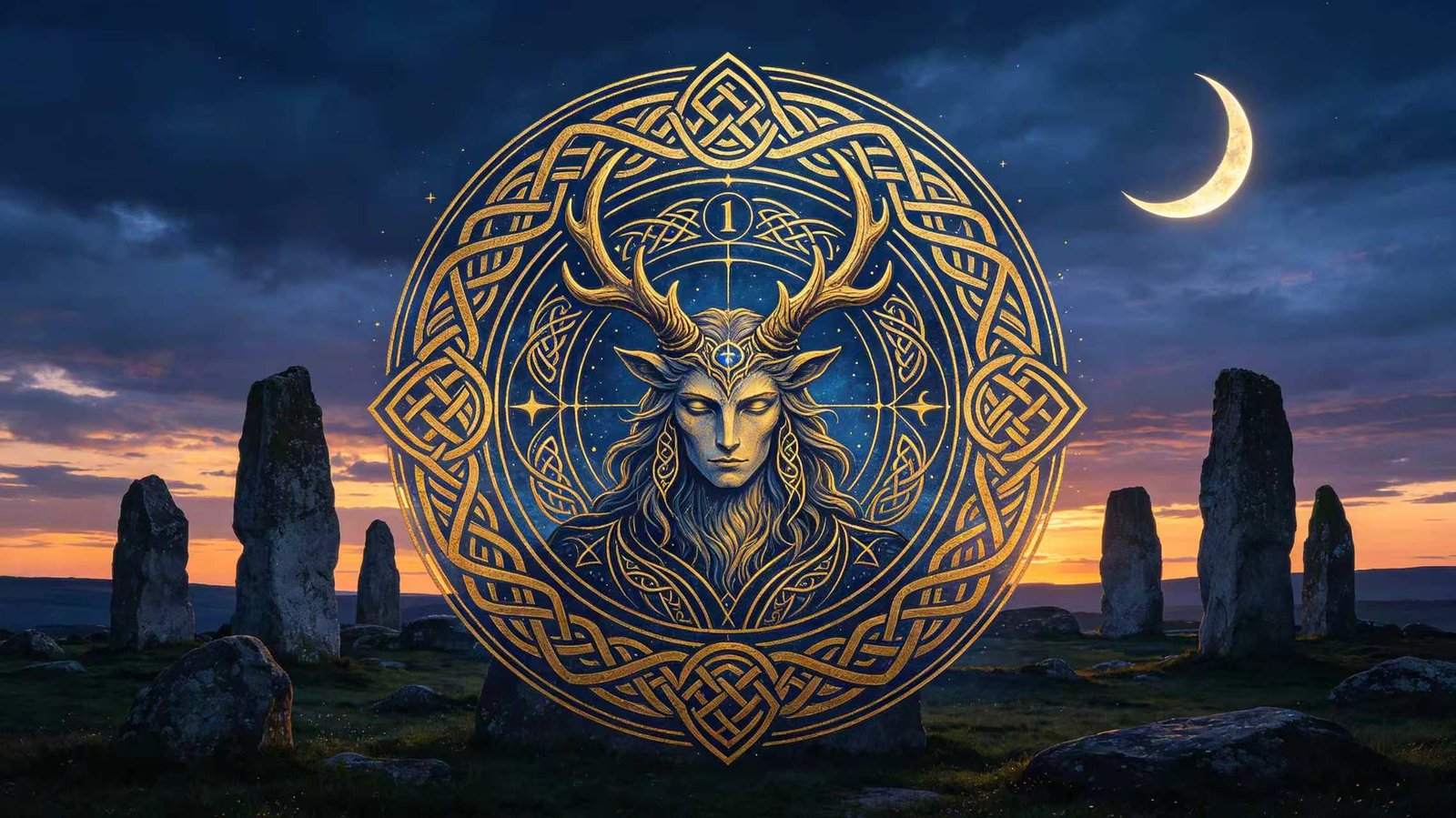
In Witchcraft 101, understanding the pillars of Wiccan belief is essential. While witchcraft itself is a practice, Wicca provides a religious and ethical framework for many practitioners.
Any Witchcraft 101 guide must begin with the Wiccan Rede. This is the central ethical guideline: you are free to do as you wish, as long as your actions do not cause harm.
“An it harm none, do what ye will”
The Rede is not a command—it is a principle of personal responsibility. It asks: Is this action likely to cause harm? Is my intention pure? Am I respecting the free will of others?
The Threefold Law states that whatever energy you put out into the world—positive or negative—will return to you three times over. This serves as a powerful ethical check in Witchcraft 101:
Wicca honors divinity in both masculine and feminine forms. The Goddess is the Earth Mother, associated with the moon, fertility, and nature’s cycles—Maiden, Mother, and Crone. The God is the Horned One, associated with the sun, the hunt, and the wild.
“If that which thou seekest thou findest not within thee, thou wilt never find it without. For behold, I have been with thee from the beginning.” — The Charge of the Goddess
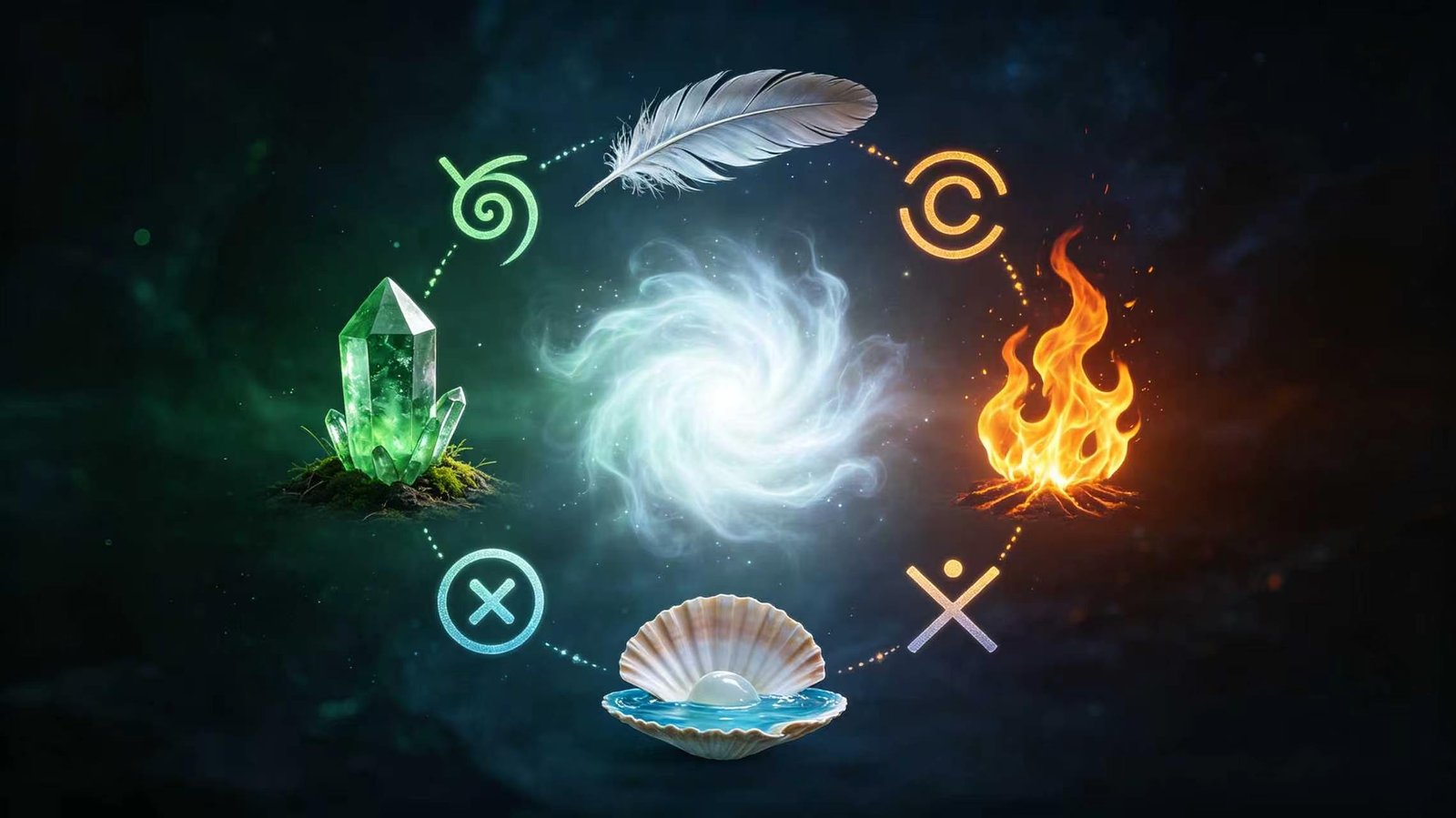
The five elements are the building blocks of magical practice. The concept has deep roots in classical philosophy as explained by Britannica.
| Element | Direction | Colors | Symbolism | Common Correspondences |
|---|---|---|---|---|
| Earth | North | Green, Brown | Grounding, stability, prosperity | Salt, soil, crystals, stones |
| Air | East | Yellow, White | Intellect, communication, inspiration | Incense, feathers, bells |
| Fire | South | Red, Orange | Passion, transformation, courage | Candles, cauldrons, lava |
| Water | West | Blue, Silver | Emotions, intuition, healing | Water, shells, mirrors |
| Spirit | Center | White, Violet | Divine connection, unity | The altar, the circle, the self |
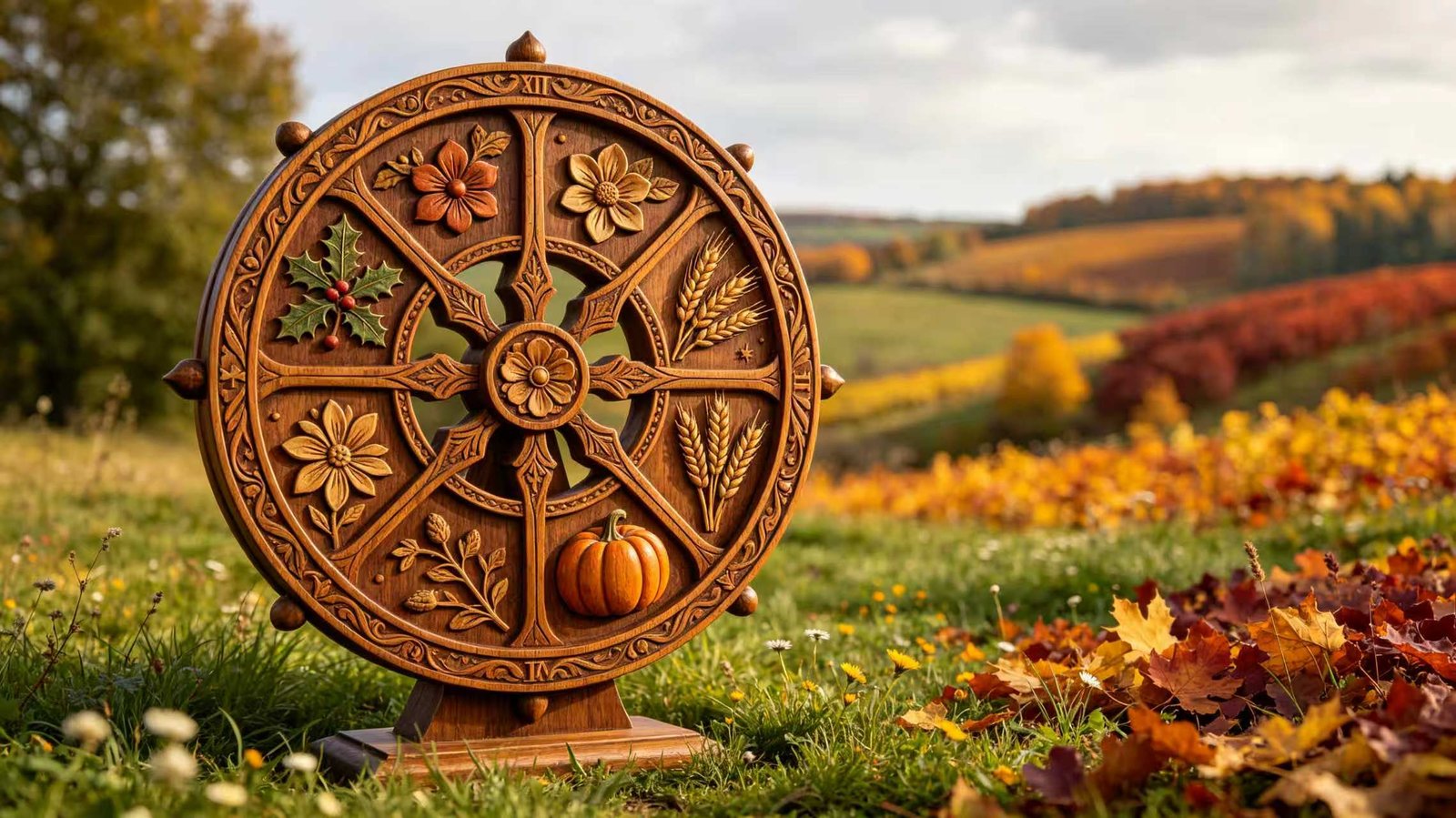
The Wheel of the Year is the cycle of eight seasonal festivals celebrated by Wiccans and many witches.
| Sabbat | Approximate Date | Significance |
|---|---|---|
| Yule | Winter Solstice (Dec 20-23) | Birth of the Sun God, return of light |
| Imbolc | Feb 1-2 | First signs of spring, Brigid’s blessing |
| Ostara | Spring Equinox (Mar 19-22) | Balance, renewal, planting seeds of intention |
| Beltane | May 1 | Height of spring, fertility, passion |
| Litha | Summer Solstice (Jun 20-23) | Peak of the Sun’s power, abundance |
| Lughnasadh | Aug 1 | First harvest, sacrifice, gratitude |
| Mabon | Autumn Equinox (Sep 19-22) | Second harvest, balance, thanksgiving |
| Samhain | Oct 31 | Final harvest, ancestor veneration, the witch’s new year |
For a deeper exploration, visit our guide on how the 8 Sabbats guide your healing path.
Casting a circle creates a sacred, protected space for ritual. The circle serves multiple purposes: protection from distractions, containment of raised energy, and connection between the mundane and spirit worlds.
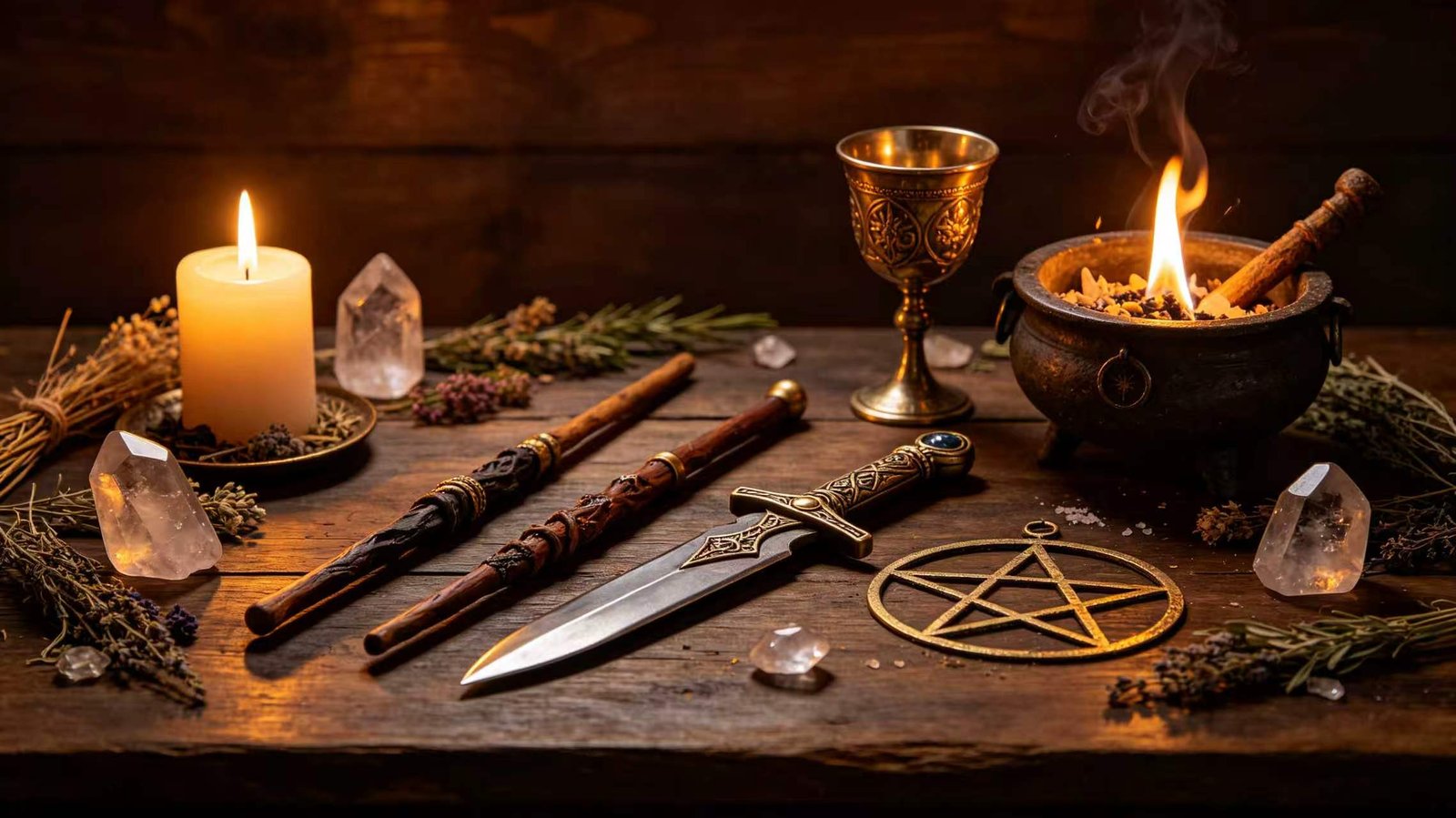
A common question in Witchcraft 101 is: do I need expensive tools? The answer is no. As one guide puts it: “You do not need a lineage, a coven, or a complicated ritual to begin. You only need curiosity, intention, and a guide who speaks to the witch you already are.”
| Tool | Elemental Association | Purpose |
|---|---|---|
| Athame | Fire | Directing energy, casting the circle |
| Wand | Air or Fire | Directing energy, invoking spirits |
| Chalice | Water | Holding offerings, symbol of the divine feminine |
| Pentacle | Earth | Consecrating objects, representing the elements |
| Cauldron | Transformation | Burning herbs, scrying, holding offerings |
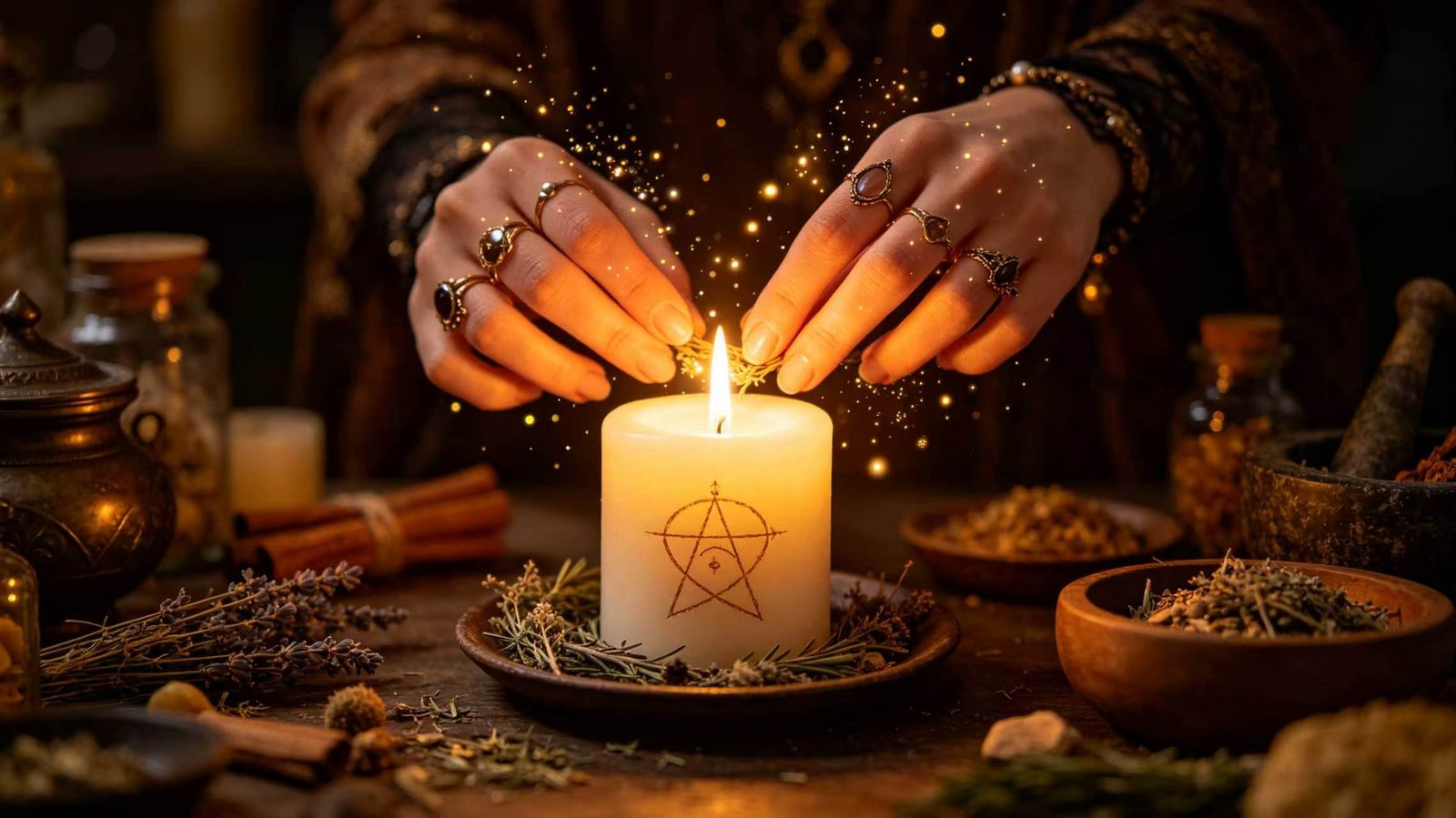
In Witchcraft 101, we teach that a spell is a focused intention, expressed through symbolic action, directed toward a specific outcome. The key components are:
Most Western magic operates on principles of sympathy and contagion. Learn more about sympathetic magic on Britannica.
Many beginning witches ask: “How do I know if a spell is working?” The answer lies in your intention. Intention is clarity, focus, belief, and emotion working together.
“Magical practice hones our senses, our ability to see and hear with enhanced clarity.”
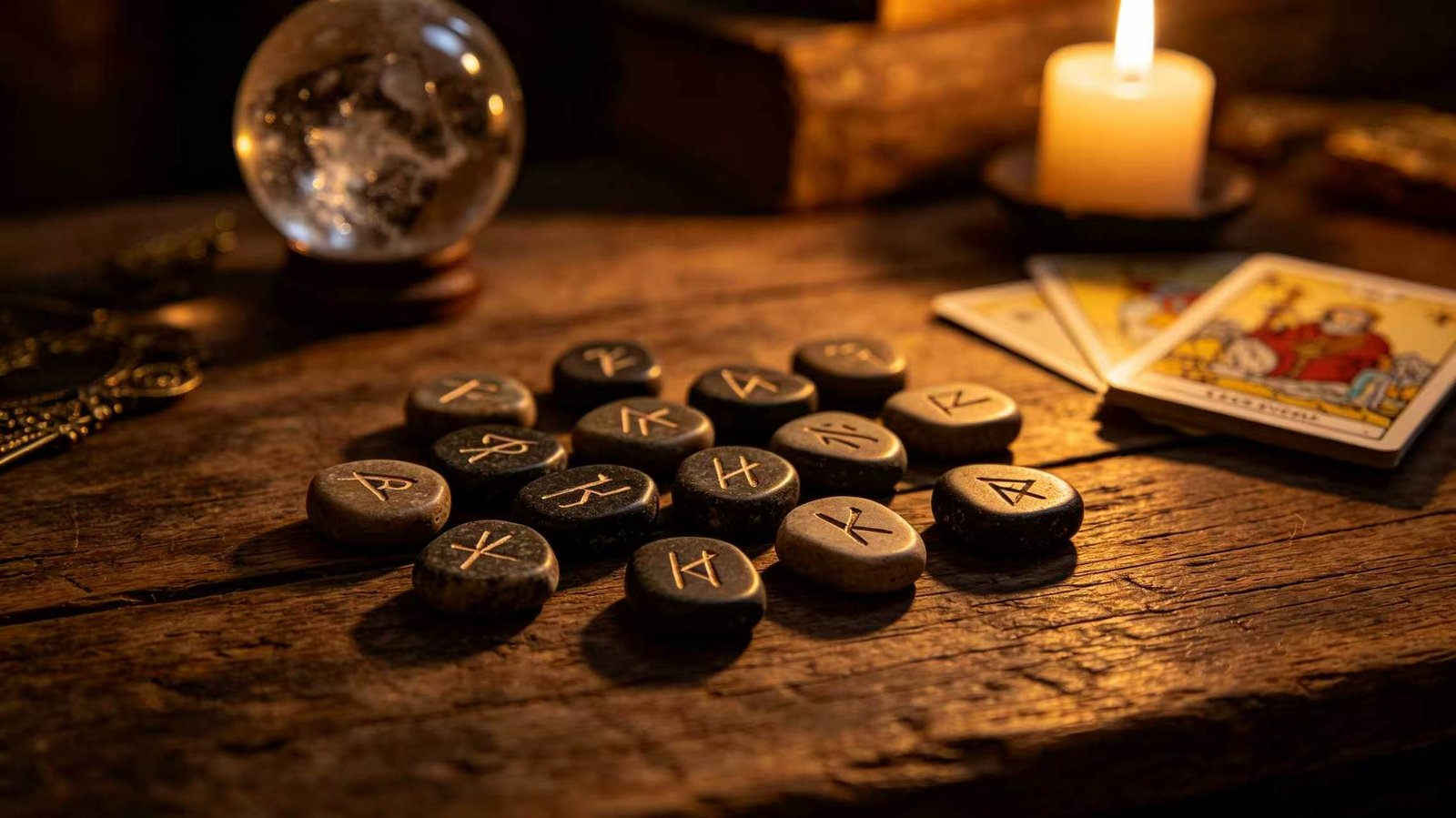
Divination is a core practice in witchcraft, used to gain insight and clarity. It develops your intuition and deepens your connection to the unseen.
| Method | Best For | Skill Level |
|---|---|---|
| Tarot | General guidance, psychological insight | Beginner to Advanced |
| Runes | Ancestral wisdom, decisive answers | Beginner to Advanced |
| Pendulum | Quick yes/no questions | Beginner |
| Scrying | Deep insight, accessing the subconscious | Intermediate |
| Astrology | Long-term patterns, personality analysis | Advanced |
| Dreamwork | Subconscious processing, shadow work | Beginner |
For a deeper dive, explore our articles on Elder Futhark rune meanings and applying runes to modern practice.
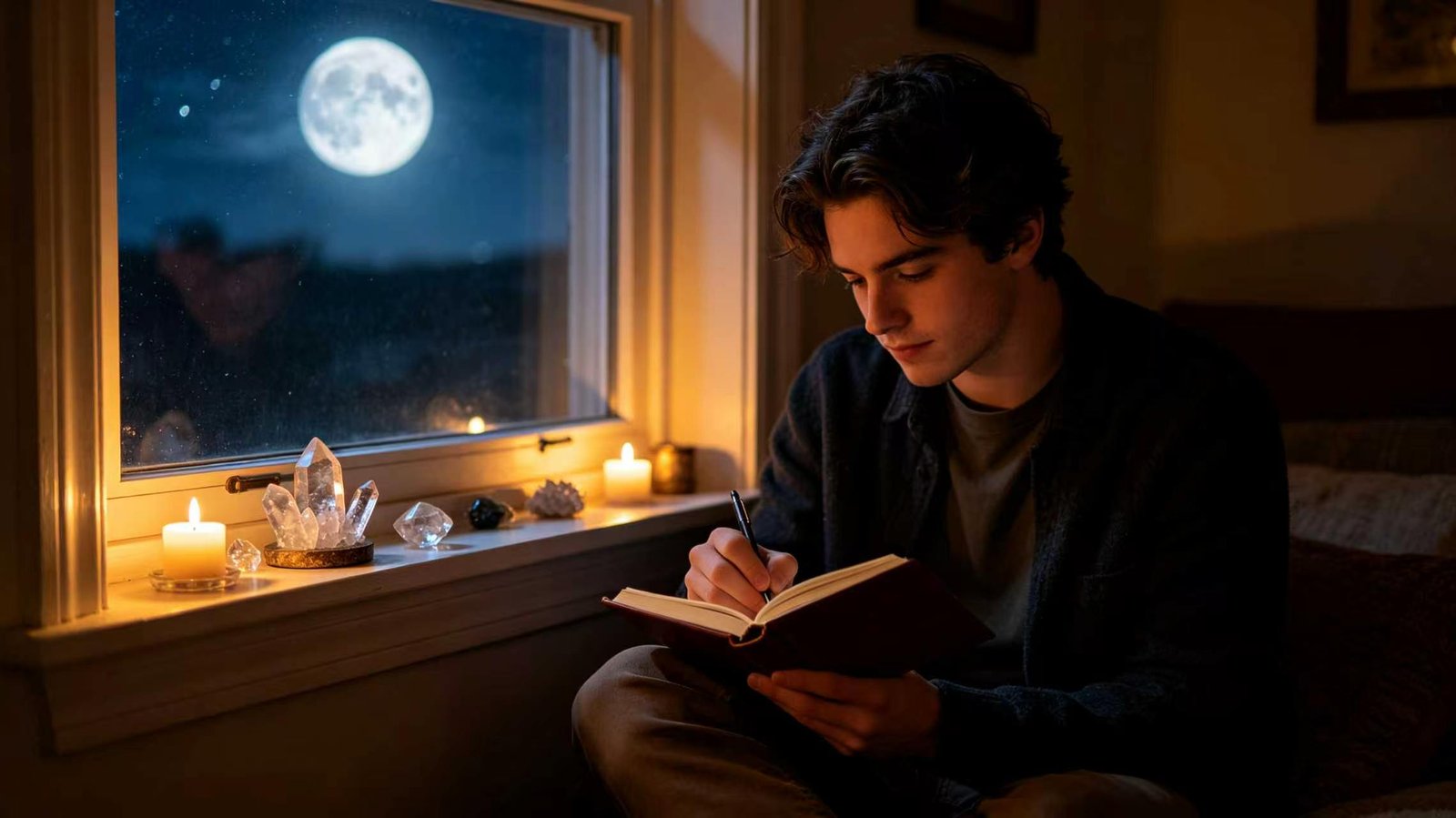
Now that you’ve covered the Witchcraft 101 foundations, let’s move into practice. Here is a step-by-step guide for the absolute beginner.
Start with reputable sources. Recommended books include Wicca: A Guide for the Solitary Practitioner by Scott Cunningham, Witchcraft: Your Plain & Simple Guide by Leanna Greenaway, and Drawing Down the Moon by Margot Adler. Find Scott Cunningham’s Wicca book on Amazon or Margot Adler’s Drawing Down the Moon.
Your Book of Shadows is your personal magical journal. Record your spells, observations, ideas, and dreams.
You don’t need a dedicated room. A corner, shelf, or box can serve as your sacred space. Cleanse it, set up tools, and state your intention.
Grounding — Connect your energy to the Earth. Centering — Focus your energy in your core. Shielding — Create a protective energy field.
You’ll Need: One candle and a fire-safe dish.
The Wiccan Rede requires deep reflection. Ask yourself: Am I harming anyone? Is my intention for the highest good? Am I respecting free will?
“Harm none and do as you will” is not a pass for moral laziness—it is an invitation to deep responsibility.
Many Wiccans honor the Goddess and God—or specific deities from pantheons you feel drawn to, such as Norse, Celtic, or Greek.
Most Wiccans practice alone, which offers flexibility and personal connection. Many also seek community through covens, online groups, or festivals.
Remember that Gardner invented and synthesized his practices. Valiente rewrote significant portions of early Wicca. Modern Wicca is a living tradition—not a fossil. “The freedom to choose your own rites” is a core principle.
Wicca and modern witchcraft are gentle, nature-based, and life-affirming. The Rede’s “harm none” is incompatible with evil intent. According to Pew Research and BBC Religions, Wicca is a recognized and growing faith tradition.
Witchcraft is a learned practice, not an inherited trait. Anyone with sincerity can become a witch.
A candle and focused intention is enough to begin. Tools enhance practice but do not create it.
For many, spells are a small part of the practice. The real work is self-development and spiritual growth.
They are not even close. Wicca does not believe in Satan and explicitly rejects the idea of evil or the devil.
You have now completed this Witchcraft 101 guide. You have explored the history, ethics, tools, and practices. You understand the Rede, the Threefold Law, the elements, and the Wheel of the Year.
But this is just the beginning. The true magic is ahead of you—in the quiet moments when you light a candle, in the way you begin to see the sacred in all things, in the personal transformation that comes from walking this path with sincerity.
“Merry meet, merry part, and merry meet again.”
May your path be bright, your practice grow deep, and your connection to the sacred strengthen with each passing day.
Blessed be.
This article is intended for educational and spiritual purposes only and does not constitute professional advice. Practices should be undertaken with personal responsibility and awareness of local legal and cultural contexts.